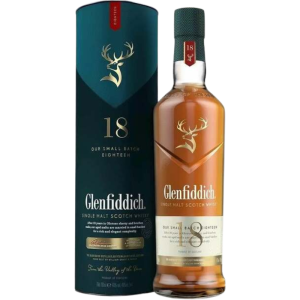

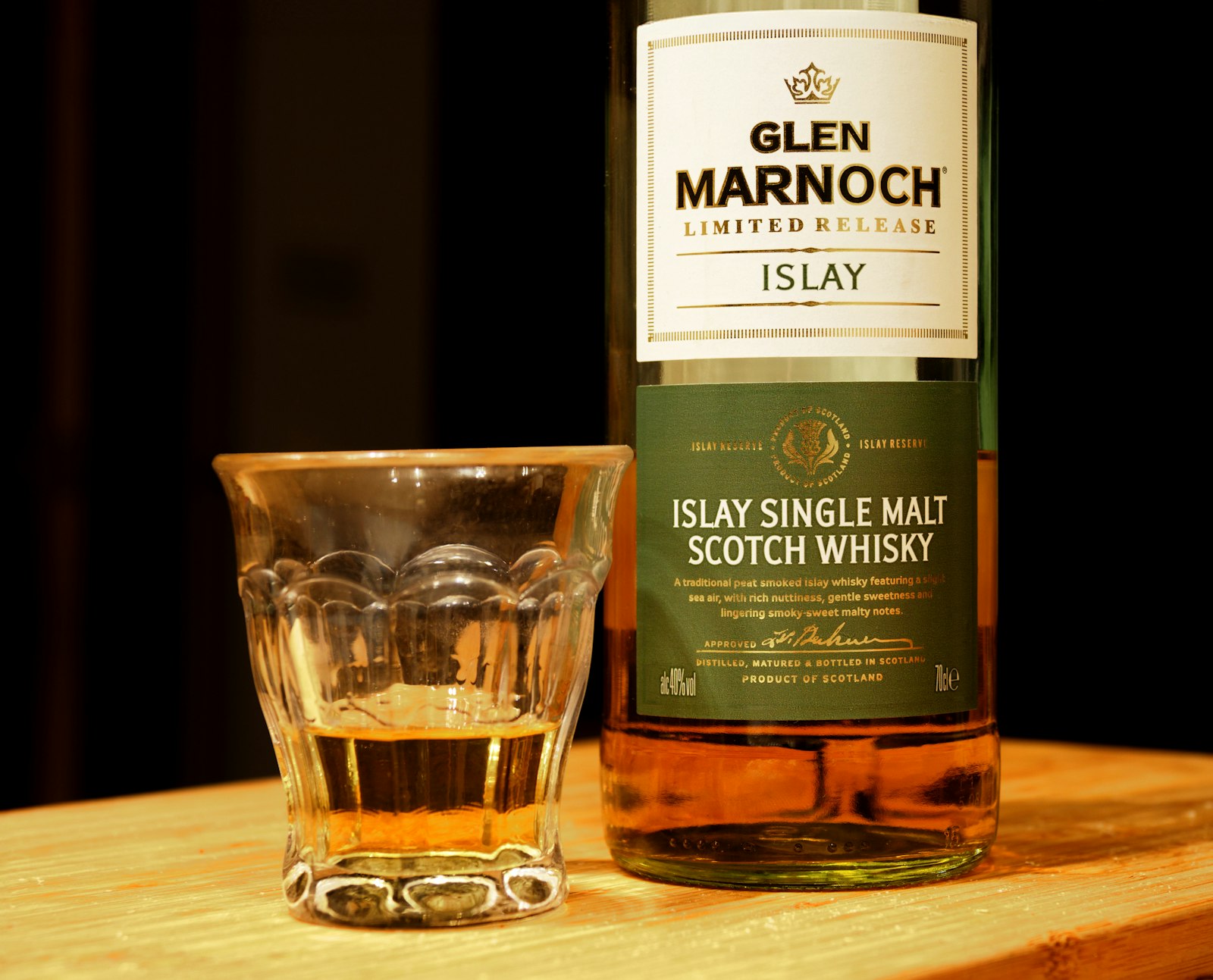
Stand in front of our whisky shelf for more than ten seconds and the problem becomes obvious. Highland, Speyside, bourbon, Japanese, blended, single malt, the names blur together fast, and most people end up reaching for whichever bottle they’ve seen before, gift receipt already half written in their head.
Whisky gets treated like one category when it is really four, and knowing the difference is the whole game, especially with Mid-Autumn gatherings and year-end gifting season stacking up on the calendar.
Start with Highland and Speyside single malt. Single malt means one distillery, one grain, malted barley, nothing blended in. Highland malts tend to run richer, sometimes with a touch of heather or dried fruit. Speyside, Scotland’s most concentrated whisky-producing region, leans lighter and more orchard-fruit sweet, think apple and honey rather than smoke. This is the category to reach for when the person you’re pouring for already has opinions about whisky and will notice if you got it right.
Blended Scotch is the opposite instinct: a mix of malt and grain whiskies from multiple distilleries, built deliberately for balance and consistency rather than showing off a single distillery’s character. It is the most forgiving pour at a reunion dinner table where three generations are drinking together and nobody wants to argue about smoke levels. If you’re the one hosting and unsure what the room wants, blended Scotch is the safe, still respectable move, not a downgrade.
Bourbon and American whiskey work on completely different rules. Corn-forward mash, aged in new charred oak barrels rather than reused ones, which is exactly why bourbon comes out sweeter, with vanilla, caramel and toasted wood upfront. In Singapore’s climate, this is the style that actually holds up with a large ice cube on a humid evening on the balcony, where a delicate single malt would just get diluted into nothing.
Japanese whisky earned its reputation the hard way, through decades of exacting blending discipline borrowed from and then refined beyond the Scotch tradition. Expect precision over punch: cleaner, quieter, more balanced than showy. It has also become the category people specifically ask for when the gift needs to say “I thought about this,” which makes it worth knowing even if you personally reach for Scotch.
None of this is about finding the “best” whisky. It’s about matching the style to the person and the occasion instead of defaulting to the one name everyone already recognises. That’s a better gift, and a better pour, than guessing.